Imagine standing beneath a vast desert sky, surrounded by quiet mountains and unusual rock formations, while thousands of stars appear overhead. Stargazing in Joshua Tree is a memorable experience for travelers who want to enjoy the natural beauty of Southern California after sunset.
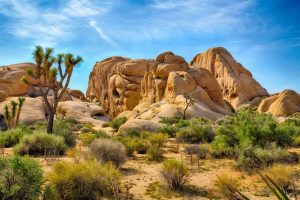
Joshua Tree National Park is known for its desert landscapes, Joshua trees, and opportunities to observe the night sky away from major urban areas. Whether you are an experienced astronomy enthusiast, a photography lover, or someone who simply enjoys looking at the stars, a visit can add something special to your vacation.
Planning your evening carefully is important. Weather conditions, moonlight, park access, and transportation can all influence your experience. Choosing convenient accommodation in Twentynine Palms can also make it easier to organize your trip and relax after an evening outdoors.
Why Is Joshua Tree Popular for Stargazing?
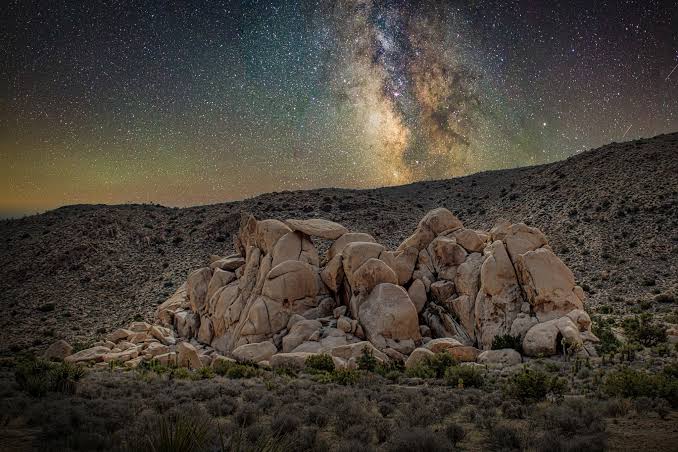
Joshua Tree’s desert environment provides opportunities to experience the night sky in a setting that feels far removed from busy city life. In suitable conditions, visitors can observe stars, constellations, and sometimes the Milky Way.
The park’s wide-open landscapes and dramatic silhouettes create an especially attractive setting for night photography. Unlike locations surrounded by bright commercial districts, some areas of the park offer darker skies that help celestial objects stand out.
However, visibility depends on several factors, including cloud cover, atmospheric conditions, moonlight, and nearby light pollution. Stargazing is never guaranteed, so checking the forecast before your visit is worthwhile.
The experience is not limited to astronomy enthusiasts. Couples, families, solo travelers, and road-trippers can all enjoy spending a peaceful evening appreciating the desert environment.
Best Places to Enjoy the Night Sky
1. Joshua Tree National Park
The national park is a natural starting point for visitors interested in stargazing. Its desert terrain offers many scenic locations where the night sky can become the main attraction.
Before choosing a viewing location, check current park operating information, access restrictions, and safety guidance. Not every road, parking area, or attraction will necessarily be accessible at all hours.
Plan your route before sunset, identify suitable designated parking areas, and make sure you understand how you will return safely. Do not assume that every area permits overnight parking or unrestricted nighttime access.
2. Keys View Area
Keys View is known for its expansive daytime views across the surrounding mountains and desert landscape. Its elevated setting can also provide an impressive atmosphere as daylight fades.
Nighttime access rules and parking restrictions should be checked in advance. Do not plan an after-dark visit without confirming that your intended location is open and accessible.
If access is restricted, consider enjoying the viewpoint during daylight and selecting another permitted location for evening sky observation.
3. Designated Areas Near Twentynine Palms
Twentynine Palms can be a useful base for travelers exploring the northern side of Joshua Tree National Park. The surrounding desert region provides opportunities to enjoy the night sky, depending on local lighting, weather, and access conditions.
Choose safe, permitted viewing locations away from traffic and avoid stopping on road shoulders simply because the sky looks attractive.
If you prefer not to drive far at night, organize your stargazing plans around accessible locations and confirm their rules before leaving your accommodation.
When Is the Best Time for Stargazing?
Stargazing is possible throughout the year, but conditions can differ significantly by season.
Fall and spring often provide pleasant evening temperatures, although desert weather can still change unexpectedly. Winter nights may offer clear skies but can become very cold, so warm clothing is essential.
Summer evenings can be hot, and daytime heat may affect how comfortable you feel outdoors. Check weather advisories and avoid exposing yourself to dangerous temperatures.
Moonlight also influences visibility. A new moon or a night with a thin crescent can provide darker conditions for viewing faint stars. A full moon may illuminate the landscape beautifully, but its brightness can make some celestial objects harder to see.
For the best chance of a rewarding experience, check the forecast, moon phase, and expected cloud cover before setting out.
How to Prepare for a Stargazing Trip
A little preparation can make your evening safer and more enjoyable.
Bring Appropriate Clothing
Desert temperatures can fall after sunset, even following a warm afternoon. Pack a jacket, comfortable trousers, and additional layers according to the forecast.
Closed-toe shoes are useful when walking over uneven ground. Avoid wandering through unfamiliar terrain in darkness, especially around rocks and desert vegetation.
Carry Water and Snacks
Water is essential in the desert, including during cooler months. Bring enough for your planned outing and keep additional supplies in your vehicle when appropriate.
Snacks can also be useful if you expect to spend several hours observing the sky. Pack out all rubbish and avoid leaving food or waste behind.
Charge Your Devices
Charge your phone, camera, and other necessary equipment before leaving. Download offline maps because mobile reception may be unreliable in some park areas.
A phone flashlight can help with basic navigation, but a dedicated flashlight or headlamp is useful for moving safely. A red-light setting, when available, can help preserve night vision.
Check Park Information
Before entering Joshua Tree National Park, review current alerts, entrance arrangements, road conditions, and nighttime access rules.
Do not rely on outdated travel posts or assume that all scenic locations remain open after sunset. Follow official instructions and change your plans if conditions become unsafe.
Stargazing Photography Tips for Beginners
You do not need expensive equipment to capture memorable night-sky photographs. Even a smartphone with a suitable night mode can produce interesting images under favorable conditions.
For better results, try these techniques:
- Use a tripod or stable surface to reduce camera movement.
- Turn off the flash when photographing distant stars.
- Learn how your camera’s night mode or manual exposure settings work.
- Take a few test photographs and adjust the exposure as needed.
- Include a Joshua tree, boulder, or mountain silhouette for visual interest.
- Keep spare batteries charged because cool temperatures can affect battery performance.
If you use a dedicated camera, a wide-angle lens and manual exposure controls can help capture more of the night sky. Experiment with different settings rather than expecting every photograph to look perfect on the first attempt.
Always set up equipment in a safe location and avoid blocking roads or disturbing other visitors.
Safety Tips for Exploring the Desert at Night
The desert can become difficult to navigate after dark. Uneven terrain, limited lighting, and unreliable mobile reception make careful planning especially important.
Stay within permitted areas, follow marked paths, and avoid climbing rocks in darkness. Tell someone about your plans if you are heading to a remote location, and establish a clear return time.
Keep an eye on weather conditions and avoid outdoor activities during dangerous heat, storms, or other hazardous conditions. If you feel uncomfortable or cannot confidently navigate your route, return to a safer location.
Wildlife may also be active after sunset. Observe animals from a distance and never attempt to approach or feed them.
Most importantly, plan your transportation before your outing. Check parking restrictions and avoid driving while tired.
Where to Stay for Your Joshua Tree Stargazing Trip
If you are planning to explore Joshua Tree National Park after dark, choosing suitable accommodation can make your trip more convenient.
Twentynine Palms is an option for travelers visiting the northern side of the park. Staying in the area can provide a practical base for daytime sightseeing, evening planning, and exploring nearby services.
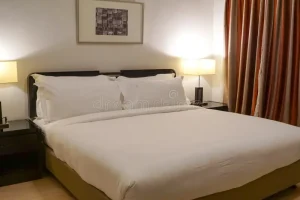
Hotel 29 Palms / Starlight Inn & Suites Motel – 29 Palms offers One King Rooms and Two Queen Rooms. Listed amenities include private bathrooms, Wi-Fi, and parking, which can be useful for travelers returning after outdoor activities.
The property also advertises extended-stay options for guests planning longer visits. If you intend to stay more than five days, contact the hotel to ask about applicable rates and availability.
Before booking, confirm the room price, amenities, check-in arrangements, and property policies. Remember that staying at a hotel does not automatically provide permission to enter the national park after hours, so verify access requirements separately.
Make Stargazing Part of Your Desert Getaway
Stargazing in Joshua Tree offers an opportunity to appreciate the desert from a different perspective. With its distinctive landscapes and potentially dark skies, the region can provide a memorable experience for anyone interested in nature, photography, or simply enjoying a quiet evening outdoors.
The key is to prepare carefully. Check weather conditions, plan your viewing location, carry essential supplies, and follow all park access and safety rules.
Make Twentynine Palms part of your Southern California itinerary and explore accommodation options at Hotel 29 Palms / Starlight Inn & Suites Motel – 29 Palms. Plan your stay, organize your outdoor activities, and experience the remarkable atmosphere of the Joshua Tree desert after sunset.