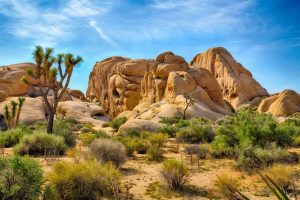
Joshua Tree National Park is one of the most fascinating outdoor destinations in Southern California. Famous for its unusual Joshua trees, massive granite boulders, desert plants, and rugged mountain scenery, the park attracts hikers, photographers, nature lovers, and travelers looking for an unforgettable desert adventure.
Whether you are planning a short nature walk or a full day of outdoor exploration, Joshua Tree National Park offers trails and scenic locations for different interests and experience levels. From quiet desert landscapes to impressive rock formations, there are many ways to appreciate the natural beauty of this remarkable destination.
If you are planning a visit, understanding the best hiking trails, preparing for desert conditions, and choosing convenient accommodation near the park can help make your trip more enjoyable.
Why Explore Joshua Tree National Park on Foot?
Driving through Joshua Tree National Park provides wonderful views, but hiking allows you to experience the desert environment more closely. Walking along designated trails gives you opportunities to observe native plants, study unusual rock formations, and appreciate the peaceful atmosphere of the Mojave and Colorado deserts.
The park contains a variety of landscapes, from open desert terrain to rocky areas and mountain scenery. Each trail offers a different perspective, making it possible to plan several visits without repeating the same experience.
Hiking also provides opportunities for nature photography and wildlife observation. However, desert conditions can change quickly, so preparation is essential even when choosing a short trail.
1. Hidden Valley Nature Trail
The Hidden Valley Nature Trail is a popular choice for visitors interested in experiencing Joshua Tree’s distinctive rock formations and desert vegetation.
This relatively short loop passes through a rocky landscape surrounded by large boulders. Interpretive information along the route can help visitors understand the area’s geology, plants, and natural history.
The trail is suitable for many visitors who want to experience the park without committing to a long hike. However, uneven surfaces and rocky sections mean that comfortable footwear is recommended.
Bring water, take your time, and allow opportunities to stop for photographs. Visiting earlier in the day can also help you avoid some of the heat and crowds that may occur during busier periods.
2. Barker Dam Nature Trail
Barker Dam Nature Trail offers a combination of desert scenery, rock formations, and historical interest. The route passes through an area associated with historic water storage infrastructure built to support ranching activities.
Depending on recent rainfall and environmental conditions, visitors may find water in the dam area, but it is not guaranteed. The surrounding scenery remains interesting even when water levels are low.
The trail is a useful option for travelers who want a relatively short outdoor activity while exploring other nearby attractions.
Look out for native plants and wildlife, but maintain a respectful distance and avoid disturbing animals. Check current trail conditions before your visit and stay on marked paths.
3. Skull Rock
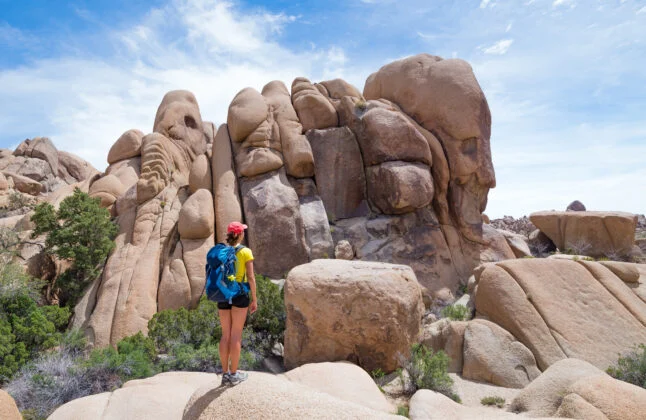
Skull Rock is one of Joshua Tree National Park’s recognizable natural landmarks. Weathering has shaped the rock into a formation that resembles a human skull, making it a popular stop for visitors and photographers.
The formation can be viewed from a relatively accessible area near the park road, while nearby paths offer opportunities to explore the surrounding desert scenery.
This location works well as part of a sightseeing itinerary because you can combine it with other stops instead of planning an entire day around one attraction.
Wear suitable shoes if you decide to walk over uneven ground, and avoid climbing onto dangerous surfaces. Follow posted signs and respect any restrictions intended to protect visitors or the natural environment.
4. Cholla Cactus Garden
The Cholla Cactus Garden provides a different desert experience from the park’s famous boulder landscapes. This area contains a concentration of cholla cacti, creating a distinctive scene that attracts photographers and nature enthusiasts.
A short nature trail allows visitors to observe the plants from designated areas. During suitable lighting conditions, the cactus spines can appear especially striking in photographs.
Be careful around the plants because cholla segments can attach easily to clothing or skin. Stay on the designated path and avoid touching the vegetation.
Because this attraction is located farther from the northern entrance area than some popular stops, check driving distances and plan enough time for the journey.
5. Arch Rock
Arch Rock is another interesting destination for visitors who enjoy geological features and desert photography. The natural rock arch demonstrates how wind, weathering, and other geological processes gradually shape the landscape.
Reaching the formation involves walking through a rocky environment, so sturdy footwear and careful attention to the trail are important.
The surrounding area also provides opportunities to observe the park’s distinctive boulders and desert vegetation.
Plan your visit around comfortable weather conditions, carry water, and allow enough time to return to your vehicle safely. Avoid climbing on fragile formations or taking unnecessary risks for photographs.
6. Keys View for Panoramic Scenery
Not every scenic experience in Joshua Tree National Park requires a long hike. Keys View is known for its broad views across the surrounding mountains and desert landscape.
On clear days, visitors may be able to see distant mountain ranges and the Coachella Valley. The viewpoint is a popular place to appreciate the scale of the region and take photographs.
Check weather and visibility conditions before visiting because haze can affect the views. Temperatures may also differ from those at lower elevations, so bring an additional layer if needed.
Keys View can be a valuable addition to a trip that combines shorter walks with scenic driving.
7. What Is the Best Time for Hiking?
Fall, winter, and spring often provide more comfortable hiking conditions than the hottest summer months. However, temperatures and weather can vary, so visitors should always check the forecast before leaving.
Early morning is often a good time to begin outdoor activities because temperatures may be lower and popular areas can be quieter.
Summer hiking requires particular caution. Extreme heat can make even short walks dangerous, and shade may be limited along many trails. Avoid hiking during dangerous heat conditions and follow official safety advisories.
Regardless of the season, carry sufficient water, use sun protection, and choose activities that match your physical ability.
8. Essential Items to Bring on Your Hike
Proper preparation can help prevent common problems during a desert adventure. Your packing list should reflect the length of your hike, weather conditions, and planned activities.
Consider carrying:
- Plenty of drinking water and additional supplies for longer outings.
- Comfortable hiking shoes with suitable traction.
- Sunscreen, sunglasses, and a wide-brimmed hat.
- Lightweight clothing and extra layers when necessary.
- Snacks and a small first-aid kit.
- A fully charged phone and offline navigation maps.
- A flashlight or headlamp if your plans could extend toward evening.
Do not rely entirely on mobile reception because some park areas have limited connectivity. Tell someone about your plans when undertaking longer hikes, and turn back if conditions become unsafe.
9. Practice Responsible Desert Hiking
Joshua Tree’s environment is beautiful but sensitive. Visitors can help protect it by following park rules and minimizing their impact.
Remain on designated trails, carry out all rubbish, and never remove plants, rocks, or other natural objects. Give wildlife space and avoid feeding animals.
Respect other hikers by keeping noise at a reasonable level and allowing room on narrow trails. If you encounter difficult terrain, do not attempt a route beyond your abilities.
Before departure, check the National Park Service website for current alerts, closures, trail conditions, entrance information, and safety recommendations.
10. Where to Stay Near Joshua Tree National Park
Choosing convenient accommodation can make it easier to organize your hiking itinerary. Twentynine Palms is worth considering for visitors exploring the northern side of Joshua Tree National Park.
Hotel 29 Palms / Starlight Inn & Suites Motel – 29 Palms offers One King Rooms and Two Queen Rooms. Listed amenities include private bathrooms, Wi-Fi, and parking, providing practical options for travelers returning after a day outdoors.
The property also highlights extended-stay options for guests planning longer visits. If you intend to stay more than five days, contact the hotel directly to ask about available rates and booking arrangements.
Before making a reservation, confirm the current room rates, amenities, check-in times, and property policies. Also compare the location with the specific trailheads and park entrances on your itinerary.
Plan Your Joshua Tree Hiking Adventure
From the rock formations of Hidden Valley to the panoramic views at Keys View, Joshua Tree National Park offers memorable outdoor experiences for visitors with different interests and abilities.
Planning ahead, choosing appropriate trails, checking weather conditions, and packing essential supplies can help you enjoy the desert safely. Allow time to appreciate the scenery rather than rushing between attractions.
Make Twentynine Palms part of your travel plans and explore accommodation options at Hotel 29 Palms / Starlight Inn & Suites Motel – 29 Palms. With a well-planned itinerary and a comfortable place to return to, you can make the most of your Southern California adventure.